Fast & Reliable Shipping to Australia

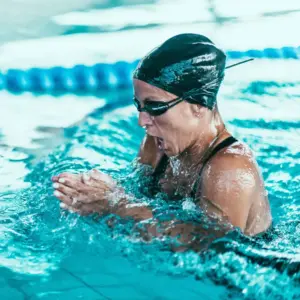

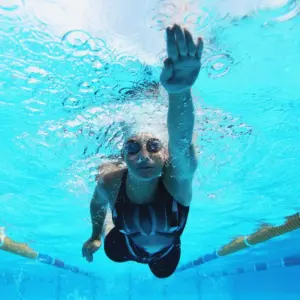
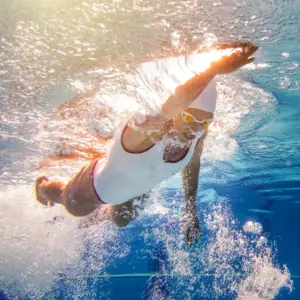


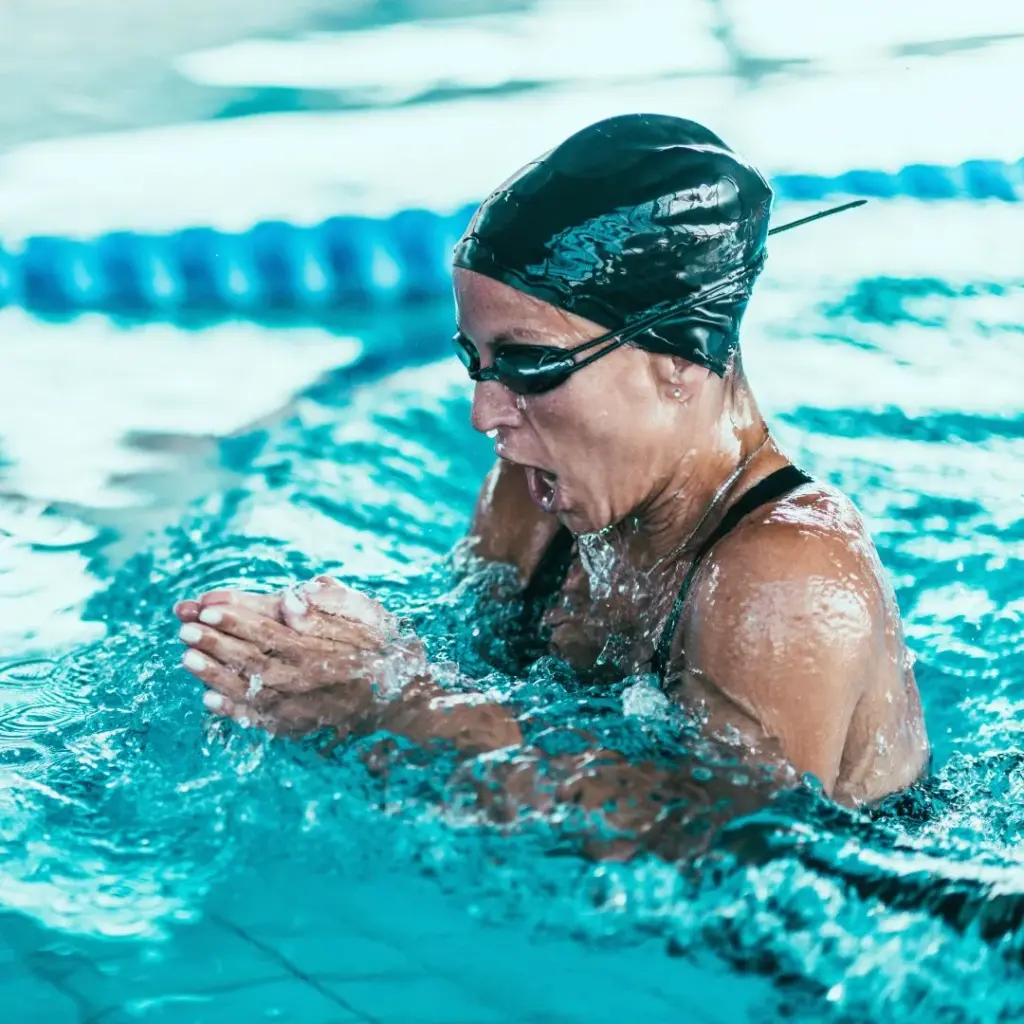
Breaststroke is one of the most recognizable swimming strokes, but swimming it efficiently takes more than simply moving your arms and legs. A strong breaststroke relies on streamlined body position, well-timed movements, efficient breathing, and a powerful but controlled kick.
Whether you’re a beginner looking to improve your technique or an experienced swimmer trying to conserve energy and increase your speed, small adjustments can make a significant difference.
Here’s how to swim breaststroke more efficiently.
1. Start With a Streamlined Body Position
One of the biggest sources of resistance in breaststroke is poor body position. The more drag you create, the harder you have to work to move through the water.
After each stroke, aim to return to a long, streamlined position. Extend your arms forward, bring your head back into alignment with your body, and keep your legs together.
Think of your body as a single line moving through the water rather than allowing your hips and legs to drop.
Key focus: After every stroke, take a brief moment to glide in a streamlined position.
2. Improve Your Pull Technique
The breaststroke pull should create propulsion without becoming unnecessarily wide or exhausting.
Begin with your arms extended in front of you. As you start the pull, press the water outward and slightly backward with your hands. Keep your elbows relatively high as your hands move around the body.
Once your hands have reached approximately shoulder level, bring your hands back together and quickly shoot them forward into your streamlined position.
Avoid pulling your hands too far behind your body. A large, sweeping pull may feel powerful, but it can increase resistance and make it harder to maintain an efficient rhythm.
3. Make Your Kick Powerful but Compact
The breaststroke kick is responsible for a large amount of your forward propulsion.
Start by bringing your heels toward your hips while keeping your knees relatively close together. Turn your feet outward, then sweep your feet backward and outward before snapping your legs together.
The important part is what happens next: streamline and glide.
Your kick should generate forward movement without creating excessive turbulence. If your knees spread dramatically or your kick becomes too wide, you may create more drag than propulsion.
If you’re practicing your kick separately, a kickboard can be useful for isolating your leg technique and helping you concentrate on your kick mechanics.
4. Get the Timing Right
Efficient breaststroke depends heavily on timing.
A useful sequence is:
Pull → Breathe → Recover → Kick → Glide
Your upper body initiates the movement, followed by the kick, and then your body returns to a streamlined position.
One common mistake is starting the next stroke before the previous kick has finished producing propulsion. Give yourself enough time to benefit from the momentum generated by your kick.
The glide doesn’t need to be extremely long. Instead, find the point where you are still moving efficiently without slowing down excessively.
5. Breathe Without Lifting Too High
Breathing is essential, but the way you breathe can significantly affect your efficiency.
As you perform your pull, allow your upper body to rise naturally so that your mouth clears the water. Take a quick breath, then return your head to a neutral position as your arms extend forward.
Avoid lifting your entire head and upper body too high. Doing so can cause your hips and legs to drop, increasing drag.
Think forward and slightly down rather than looking far ahead.
6. Keep Your Head Position Consistent
Your head position has a direct effect on your body position.
During the glide, keep your head in line with your spine and avoid looking forward. Your eyes should generally be directed downward or slightly forward in the water.
When you breathe, lift only as much as necessary.
A relaxed, neutral head position helps keep your body higher in the water and reduces unnecessary resistance.
7. Reduce Unnecessary Movement
Efficient swimming isn’t necessarily about doing more. It’s about getting more propulsion from every movement.
Watch for unnecessary movements such as:
- Excessively wide arm pulls
- Knees spreading too far apart
- Lifting the head too high
- Pausing for too long between movements
- Kicking before the arm recovery is complete
- Losing your streamlined position after the kick
The goal is to make every movement deliberate.
If you can maintain the same speed while using slightly less effort, you’re moving toward greater efficiency.
8. Focus on the Glide
The glide is an important part of breaststroke and is often overlooked.
After completing your kick, extend your body fully and allow the propulsion from the kick to carry you forward.
However, don’t assume that a longer glide is always better. If you glide until you almost come to a complete stop, you’ll have to work harder to restart your stroke.
Instead, experiment with your stroke rate and glide length to find a rhythm that allows you to maintain momentum comfortably.
9. Use Drills to Improve Technique
Technique drills can help you isolate individual parts of the stroke.
Try incorporating drills such as:
Breaststroke kick with a streamline: Hold your arms extended while concentrating entirely on your kick and body position. A kickboard can also be used during certain kick drills if it helps you maintain focus on your legs.
Pull and glide: Focus on creating an effective arm pull before returning to a streamlined position.
Two kicks, one pull: This can help you become more aware of the relationship between your kick, glide, and pull.
Slow-motion breaststroke: Swim at a deliberately slow pace while concentrating on technique rather than speed.
Quality is more important than quantity when practicing drills.
10. Build Efficiency Before Chasing Speed
It’s tempting to try to swim breaststroke faster by increasing your stroke rate. However, moving your arms and legs faster doesn’t necessarily make you faster through the water.
Instead, focus first on reducing resistance and improving propulsion.
Ask yourself:
“How far can I travel with each stroke while staying relaxed?”
As your technique improves, you can gradually increase your pace without sacrificing your streamlined position.
Equipment to Bring to Your Breaststroke Session
You don’t need lots of equipment to improve your breaststroke, but a few simple items can make training more comfortable and effective.
- Kickboard – useful for isolating and practicing your breaststroke kick.
- Swimming goggles – help you maintain clear vision and focus on technique in the pool.
- Towel – essential for drying off and staying comfortable before and after your session.
- Swim cap – can help keep hair out of your face and reduce distractions while swimming.
Use equipment to support your technique rather than relying on it. Your main focus should remain on body position, timing, propulsion, and reducing drag.
A Simple Breaststroke Checklist
Before your next session, remember these key points:
- Keep your body streamlined after each stroke.
- Keep your head neutral when you’re not breathing.
- Use a controlled, compact arm pull.
- Keep your knees relatively narrow during the recovery.
- Turn your feet out before driving the kick backward.
- Breathe quickly without lifting your body excessively.
- Coordinate the pull, breath, kick, and glide.
- Avoid unnecessary movements.
- Find a glide length that maintains momentum.
- Use a kickboard when appropriate to isolate your kick.
- Bring your goggles, swim cap, and towel for a comfortable training session.
- Prioritize technique before increasing speed.
Swimming breaststroke efficiently is about finding the right balance between propulsion and resistance. A powerful kick and effective pull are important, but they become much more valuable when combined with a streamlined body position and good timing.
Rather than trying to make every part of the stroke bigger or faster, concentrate on making each movement more purposeful. With regular technique work and focused drills, you can gradually swim farther, maintain your pace more comfortably, and use less energy in the process.
The best breaststroke isn’t simply about how hard you work, it’s about how effectively you move through the water.