Fast & Reliable Shipping to Australia


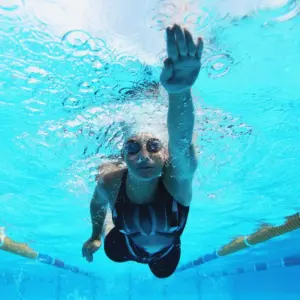
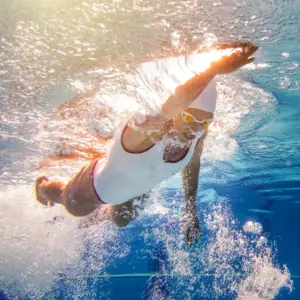
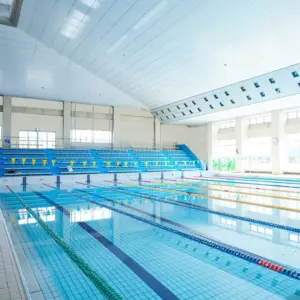



Whether you’re a beginner learning to swim longer or an experienced swimmer preparing for a race, improving your swimming endurance can make a huge difference. Better endurance allows you to swim for longer periods, maintain good technique, and feel less exhausted during and after your sessions.
The good news is that swimming endurance can be developed with consistent training and the right approach. Here are some practical ways to build your stamina in the pool.
1. Focus on Your Technique
Before simply adding more distance, make sure your swimming technique is efficient.
Poor technique can cause unnecessary resistance and make you work much harder than necessary. Focus on maintaining a streamlined body position, relaxed breathing, and smooth, controlled strokes.
Using swim fins during selected drills can help you focus on body position and kicking technique. Small technical improvements can help you conserve energy and swim more efficiently.
2. Increase Your Distance Gradually
One of the simplest ways to improve endurance is to gradually increase the amount you swim.
If you currently swim 1,000 metres per session, for example, don’t immediately try to double it. Instead, increase your total distance gradually as your fitness improves.
You can also add a little distance to individual sets. For example:
- 4 × 100m
- 4 × 150m
- 4 × 200m
Take appropriate rest between intervals and concentrate on maintaining consistent technique.
3. Use Interval Training
Swimming continuously isn’t the only way to build endurance. Interval training can be extremely effective.
Try swimming a set distance at a controlled pace, taking a short recovery period, and then repeating it. This allows you to accumulate more quality swimming without becoming completely exhausted.
For example:
8 × 100m freestyle with 20–30 seconds of rest
Aim to keep your pace relatively consistent throughout the set. As your endurance improves, you can gradually increase the distance, reduce the rest period, or increase the number of repetitions.
A pace clock can also be useful for monitoring your intervals and keeping your training consistent.
4. Learn to Pace Yourself
Starting every swim as fast as possible can leave you exhausted before you finish your workout.
Instead, learn to control your pace. Your first few lengths should feel comfortable, allowing you to build into the session rather than using all your energy immediately.
A swim watch or waterproof fitness tracker can help you monitor your pace, distance, and workout duration while you train.
5. Improve Your Breathing
Breathing efficiently is an important part of swimming endurance.
Practice breathing in a relaxed and controlled way rather than holding your breath underwater. During freestyle, work on turning your head naturally to breathe while keeping the rest of your body stable.
A swimming snorkel can be useful for certain technique drills because it allows you to concentrate on your body position and stroke without interrupting your focus to breathe.
Avoid forcing prolonged breath-holding. Good swimming endurance comes from efficient oxygen use and relaxed technique, not from deliberately restricting your breathing.
6. Mix Up Your Strokes and Drills
Swimming the same stroke at the same pace every session can become repetitive and may place the same demands on your muscles.
Training equipment can help you isolate different parts of your stroke. For example, a kickboard can be used for kicking sets, while pull buoys can help you focus on your upper-body technique.
You can also use swim paddles during appropriate drills and sets to add resistance and develop awareness of your stroke.
For example, a session might include:
- Warm-up
- Technique drills
- Freestyle intervals
- Kickboard kick set
- Pull buoy set
- Longer continuous swim
- Easy cool-down
This variety can also make training more enjoyable.
7. Add Longer, Easy Swims
Not every training session needs to be intense.
Include some longer swims at a comfortable pace. These sessions help you become accustomed to spending more time in the water while allowing you to focus on relaxed, efficient movement.
The goal isn’t to swim as fast as possible. Instead, concentrate on maintaining good technique and a sustainable rhythm.
You can occasionally use swim fins during technique-focused sessions, but your longer endurance swims should also include plenty of swimming without equipment so you develop your natural efficiency.
8. Strengthen Your Whole Body
Swimming is a full-body activity, so strength and conditioning can complement your pool training.
Exercises that develop your core, shoulders, back, hips, and legs can help support your swimming technique and overall performance.
Examples include:
- Planks
- Squats
- Lunges
- Resistance-band exercises
- Push-ups
- Pull-ups or assisted pull-ups
A set of resistance bands can be particularly useful for swimmers looking to add simple strength and mobility exercises outside the pool.
9. Give Your Body Time to Recover
More training isn’t always better. Your body needs time to adapt to increased training demands.
Make sure you include easier sessions and rest days in your schedule. Pay attention to persistent fatigue, unusual pain, or declining performance, and reduce your training load when necessary.
Adequate sleep, hydration, and balanced nutrition can also support recovery.
A swim bag can help you keep essentials such as your swim goggles, towel, water bottle, and training equipment organised between sessions.
10. Track Your Progress
Keeping a record of your swimming can help you see improvements that aren’t always obvious from day to day.
Record things such as:
- Total distance
- Workout duration
- Rest intervals
- Average or target pace
- How difficult the session felt
Every few weeks, you can repeat a similar workout and compare your performance. If you’re swimming the same distance with less rest or maintaining your pace more comfortably, that’s a sign that your endurance is improving.
A swim watch can make it easier to track distance, time, intervals, and other training data.
Sample Swimming Endurance Workout
Here’s a simple example of an endurance-focused session:
Warm-up:
300m easy swimming
Technique:
4 × 50m drills with 20 seconds rest
Main set:
6 × 200m freestyle with 30 seconds rest
Endurance swim:
400m at a comfortable, sustainable pace
Cool-down:
200m easy swimming
Total: 2,300m
You can incorporate a kickboard, pull buoy, or swim fins into the technique portions of the workout if appropriate. Adjust the distances and rest periods to suit your current ability.
Final Thoughts
Improving swimming endurance takes time, consistency, and patience. Rather than trying to swim as far or as fast as possible every session, focus on efficient technique, controlled pacing, progressive training, and adequate recovery.
The right equipment can also make your training more varied and help you focus on specific aspects of your technique. Useful items such as kickboards, pull buoys, swim fins, swim paddles, swimming snorkels, and swim watches can all have a place in a structured training programme.
With regular practice, you’ll gradually find that you can swim longer distances while maintaining better form and feeling less fatigued.
The key is simple: train consistently, progress gradually, and make efficiency your priority.